
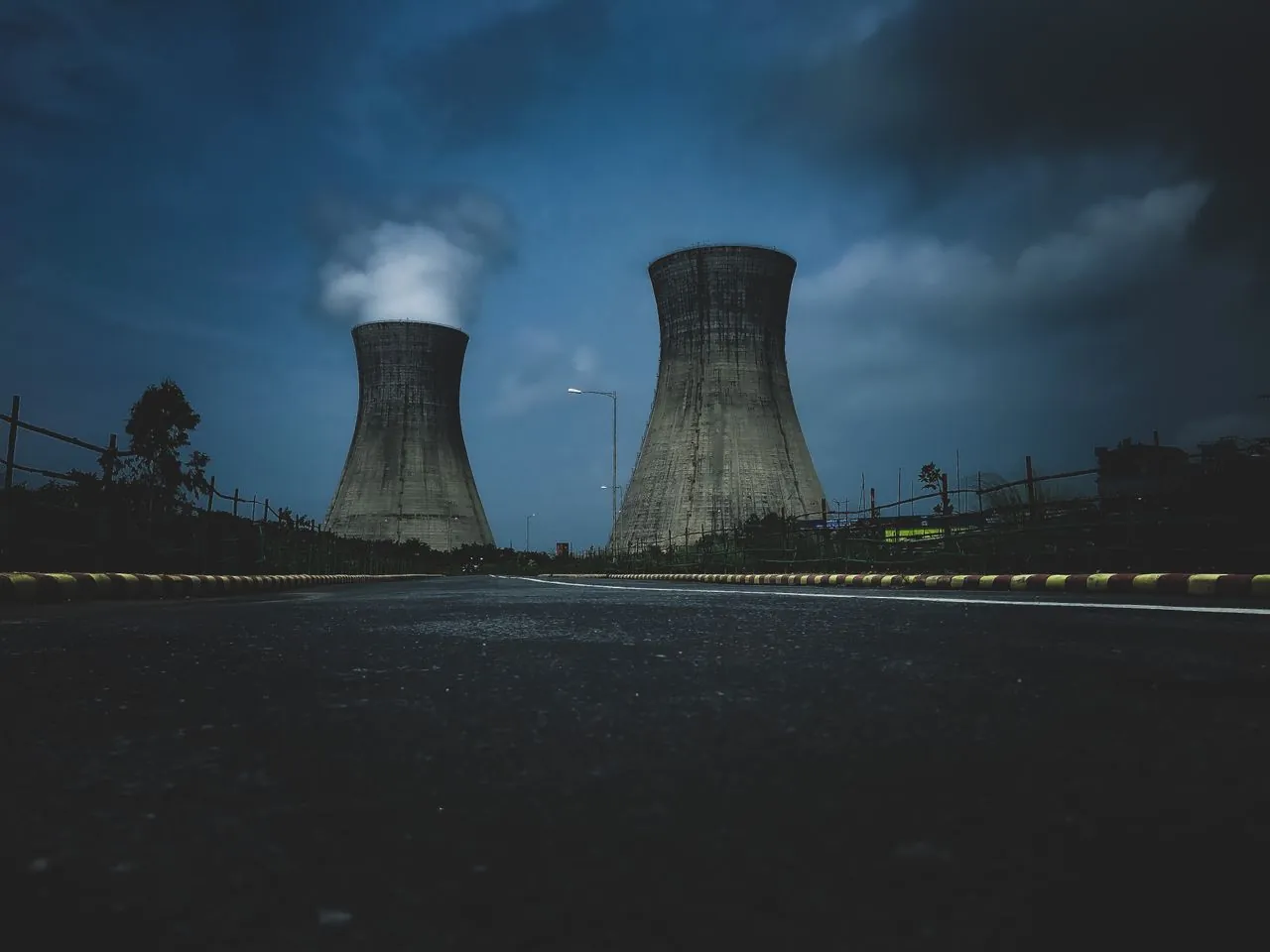
Cooling towers are often overlooked utilities, yet they have an outsized impact on plant energy and water consumption. A well-maintained, correctly specified tower holds process temperatures steady and keeps chillers, compressors, and heat exchangers performing at design capacity. Conversely, a degraded tower cascades inefficiency across every piece of equipment it serves. Small improvements compound into significant savings over a year of continuous operation — and many of the most effective interventions require nothing more than planned maintenance and modest capital upgrades.
The Hidden Cost of a Poorly Performing Tower
When a cooling tower underperforms, process return-water temperature rises. Chillers work harder, compressor intercoolers lose efficiency, and heat exchangers fail to transfer their rated duty. A tower operating at only 80% of design thermal performance can increase chiller energy consumption by 10–15% and reduce compressor throughput noticeably. Over a year of continuous operation in a large facility, that translates to hundreds of thousands of rupees in avoidable energy spend — before accounting for the risk of a production upset on a hot summer day.
1. Upgrade the Fill
High-efficiency PVC film fill dramatically increases the heat-transfer surface area compared with aging splash fill. If your tower's thermal performance has dropped noticeably over the past few years, degraded or fouled fill is the most common culprit. Film fill works by spreading water into a very thin film across a large corrugated surface, maximising air-water contact time. Over time, biological fouling (Legionella biofilm, algae), scaling from hard water, and physical degradation reduce that contact efficiency. A fill replacement project — typically a 1–2 day shutdown — can restore original thermal performance and is one of the highest-return maintenance investments available.
2. Control Drift and Water Loss
Modern drift eliminators reduce water carry-over to 0.001–0.0005% of the recirculating flow rate, cutting make-up water demand and chemical losses significantly. Older eliminator designs allow drift rates of 0.01–0.02%, which translates into litres per hour of treated water lost to atmosphere — along with the energy and chemical cost embedded in it. Modern multi-pass eliminators are also essential where Legionella risk management is required, as airborne drift droplets are the primary transmission vector for the bacterium. Upgrading eliminators is usually a low-cost, high-impact intervention.
- Replace degraded PVC film fill with high-efficiency film fill
- Install modern multi-pass drift eliminators (target <0.001% drift rate)
- Maintain a sound chemical water-treatment programme
- Add variable-speed fan drive control
- Match tower thermal capacity to the actual heat load
- Implement continuous monitoring of approach temperature and cycles of concentration
3. Treat the Water
Scaling and biological fouling kill thermal performance. As water recirculates and evaporates, dissolved solids concentrate, raising the Langelier Saturation Index (LSI) and increasing scaling risk. A well-run cooling-water treatment programme maintains cycles of concentration at the design level, controls corrosion inhibitors, biocides, and anti-scalants within their effective dosing range, and monitors the programme through regular sampling and analysis. Neglecting water treatment for even a short period can deposit scale that reduces the overall heat-transfer coefficient by 20–30% and is expensive to remove chemically or mechanically.
Pair chemical treatment with an accurate blowdown control strategy. Conductivity-based automatic blowdown control is far more precise than timer-based blowdown and reduces both water waste and over-treatment chemical cost. Combined with online pH and ORP monitoring, it gives operators real-time visibility into water quality without waiting for weekly lab results.
4. Add Variable-Speed Fan Control
Cooling tower fans are one of the largest power consumers in a typical utility system. A variable-speed drive (VSD) fan motor allows the tower to match air flow to the actual heat load rather than running at full speed continuously. At part load — which describes most operating hours outside the summer peak — a fan running at 80% speed consumes only about 50% of full-speed power (fan affinity law: power varies as the cube of speed). For large multi-cell towers, combining VSD fans with automatic cell-switching to keep operating cells at high efficiency rather than running all cells at part load delivers even greater savings.
5. Match Tower Capacity to Real Heat Load
Process heat loads change over time — production rates change, equipment is added or retired, and seasonal conditions shift dramatically. A tower designed for a peak summer duty of five years ago may now be either undersized (struggling on hot days) or oversized (running inefficiently at part load year-round). Conduct a thermal performance test — wet-bulb temperature, water flow rates, inlet and outlet temperatures — and compare the result against the original design data. If the tower is consistently under-loaded, consider consolidating to fewer cells; if it is under-performing, a re-rate study will identify whether fill replacement, fan upgrade, or basin redesign is the most cost-effective path to restoring performance.
Choosing the Right Tower Type
When capacity no longer matches the heat load, a right-sized replacement pays back quickly. Induced-draft counterflow towers offer the highest thermal efficiency per unit footprint and are the preferred choice for most industrial and HVAC duties. Cross-flow towers are easier to inspect and clean but slightly less efficient thermally. FRP (fibre-reinforced plastic) construction provides excellent corrosion resistance and low structural maintenance; stainless steel is preferred for pharmaceutical and food applications where hygiene standards govern. Energy Tech Solution supplies FRP and stainless induced-draft and cross-flow towers with performance guarantees, verified against CTI (Cooling Technology Institute) standards.